SpinLife Wheelchair Buying Guide: Manual vs Electric Options

Choosing the right wheelchair can feel overwhelming, especially with so many options available. If you’re browsing SpinLife or similar platforms, you’ve probably come across the big question: manual or electric? The answer isn’t one-size-fits-all—it depends on your lifestyle, mobility needs, and daily routine. Let’s break it down in a simple, practical way so you can make a confident choice.
Understanding Your Daily Needs
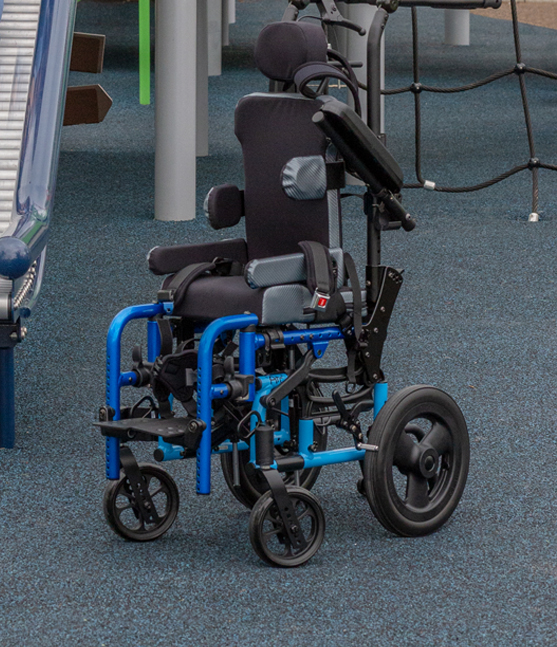
Before diving into features, take a moment to think about how you’ll actually use your wheelchair. Will it be for short trips, full-day use, or mostly indoors?
Your daily routine plays a huge role in choosing the right type. Someone who’s active and independent may need something very different from someone who requires assistance throughout the day.
What Is a Manual Wheelchair?
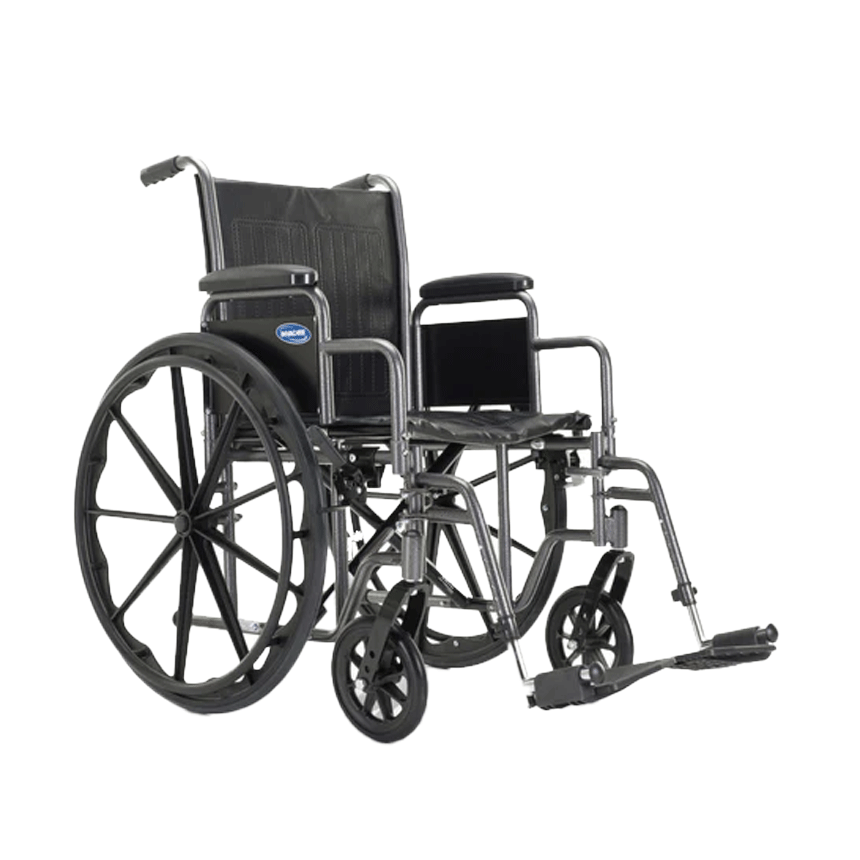
Manual wheelchairs are powered by—you guessed it—you. Either you push the wheels yourself, or a caregiver helps move you around.
They’re simple, lightweight, and don’t rely on batteries. That makes them a popular choice for many users, especially those who value portability and ease of transport.
Pros of Manual Wheelchairs
- Lightweight and easy to transport
- More affordable than electric models
- Low maintenance (no batteries or motors)
- Great for short distances or occasional use
They’re ideal if you have upper body strength or someone available to assist you regularly.
Cons of Manual Wheelchairs
- Requires physical effort
- Not ideal for long distances
- Can be tiring over time
- Limited independence for some users
If you plan to move around a lot throughout the day, this might become exhausting.
What Is an Electric Wheelchair?
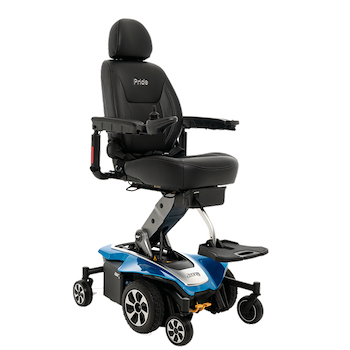
👉 Discover Electric Wheelchairs
Electric (or power) wheelchairs are battery-operated and controlled using a joystick. They’re designed to give users more independence with minimal physical effort.
These are perfect for people who want freedom of movement without relying on someone else for help.
Pros of Electric Wheelchairs
- Easy to operate with minimal effort
- Great for long distances and daily use
- Offers independence and convenience
- Many models come with advanced features
If mobility is a challenge, an electric wheelchair can be life-changing.
Cons of Electric Wheelchairs
- More expensive upfront
- Heavier and harder to transport
- Requires charging and maintenance
- May not fit easily in smaller spaces
They’re powerful—but not always the most travel-friendly option.
Key Factors to Consider

Still unsure? Here are a few things that can help you decide:
- Mobility Level – Can you self-propel, or do you need assistance?
- Lifestyle – Are you mostly indoors, outdoors, or both?
- Budget – Manual chairs are budget-friendly; electric ones cost more
- Transport Needs – Will you need to fold and carry it often?
- Independence – Do you want full control without relying on others?
Thinking through these factors will make your decision much clearer.
Manual vs Electric: Quick Comparison

- Manual Wheelchair
- Best for: Short-term or part-time use
- Cost: Lower
- Effort: High
- Portability: Easy
- Electric Wheelchair
- Best for: Full-time use
- Cost: Higher
- Effort: Minimal
- Portability: Limited
Each has its strengths—it’s all about what fits your life best.
Final Thoughts
There’s no “better” option—only what works better for you. Manual wheelchairs offer simplicity and affordability, while electric models provide comfort and independence.
Take your time, think about your needs, and don’t rush the decision. The right wheelchair can truly improve your quality of life.









Post Comment